

Call us now
07971189137

 Send Inquiry
Transmission Towers
MOQ : 10 Units
Transmission Towers Specification
- Product Type
- Transmission Tower
- Material
- Mild Steel/High Tensile Steel
- Welding Standard
- AWS D1.1
- Capacity
- Designed for Wind Load & Line Capacity
- Application
- Power Transmission
- Galvanization Standard
- ASTM A123/ISO1461
- Out Coating
- Hot Dip Galvanized
- Standard
- IS 2062/IS 800
- Shape
- Angular/Polygonal
- Surface Treatment
- Galvanized
- Height
- Up to 75 meters
- Voltage
- 33kV to 765kV
- Design
- Self Supporting/Monopole/Lattice
- Thickness
- 3mm to 16mm
- Color
- Silver/Grey
- Accessories
- Tower Earthing, Anti-Climbing Devices, Danger Plates
- Production Method
- CNC/Machine Fabricated
- Packing
- Bundle/Loose packing as per client
- Earthquake Resistance
- Designed as per seismic zone requirements
- Weight
- Varies as per specification; approx. 1.5 to 7 MT
- Temperature Resistance
- -40C to +55C
- Connection Type
- Bolted/Fabricated Members
- Wind Resistance
- Up to 250 kmph
- Service Life
- 30+ years
- Inspection Standard
- EN 1090, ISO 9001:2015
- Maintenance
- Low, periodic inspection required
Transmission Towers Trade Information
- Minimum Order Quantity
- 10 Units
- Supply Ability
- 1000 Units Per Day
- Delivery Time
- 3 Week
Transmission Towers About
Transmission towers, also known as power or electricity towers, are tall structures used to support overhead power lines for transmitting electrical power over long distances. They are typically made of steel or concrete and can reach heights of up to 500 meters.Transmission towers come in various designs, depending on the specific application and requirements. The most common types of transmission towers are lattice towers, which are made up of a framework of steel or concrete and are designed to support multiple power lines. Monopoles, which are single poles made of steel or concrete, are also used for supporting power lines.
Transmission towers are critical infrastructure components for the transmission of electrical power from power generation stations to substations and other facilities. They are designed to withstand harsh environmental conditions such as strong winds, extreme temperatures, and seismic events.Regular maintenance and inspection are required to ensure that transmission towers are structurally sound and safe. Any damage or defects found during inspections must be repaired or replaced promptly to avoid compromising the structural integrity of the tower and the safety of the power transmission system.
We are engaged in supplying Transmission Towers, which are knowingly a reliable and sturdy solution for the purpose of transmitting electrical power over long distances. Our transmission towers are made from high-quality steel and designed to withstand extreme weather conditions and environmental factors. The proffered Transmission Towers come in various sizes and designs, and can be customized to meet your specific requirements. They are built to support heavy loads of electrical conductors, ensuring the safe and efficient transmission of electricity over long distances.
Precision-Engineered for Enduring Reliability
Manufactured using CNC and machine fabrication, our transmission towers deliver superior strength, consistency, and safety. With hot dip galvanization conforming to ASTM A123/ISO1461 and robust standards like IS 2062 and IS 800, these towers withstand harsh climates and high winds up to 250 kmph, all while requiring only periodic inspection throughout their extended service lifespan.
Adapted to Challenging Environments Worldwide
Designed to excel in various climatic and seismic zones, our towers operate efficiently in temperatures from -40C to +55C and are constructed to meet region-specific seismic requirements. The self-supporting, monopole, or lattice designs provide flexibility across different transmission line applications and terrain types, making them ideal for global distribution and supply.
FAQs of Transmission Towers:
Q: How is the structural integrity of the transmission towers ensured during manufacturing?
A: Structural integrity is maintained through precision CNC and machine fabrication processes, strict adherence to international standards such as EN 1090 and AWS D1.1, and rigorous quality inspections. Each tower is designed for specified wind loads, line capacities, and seismic zones, ensuring safe and reliable performance for over 30 years.Q: What are the main benefits of choosing towers with bolted and fabricated members?
A: Bolted and fabricated members allow for easier on-site assembly, greater modularity, and potential for customization. This construction method also improves maintenance efficiency, as individual sections can be replaced or adjusted without dismantling the entire structure.Q: When should periodic inspections for these towers be conducted?
A: Inspections should be performed regularly, following industry recommendations and local regulations. Typically, routine checks are conducted annually to ensure ongoing compliance with standards and optimal tower performance, with additional inspections after extreme weather or seismic events.Q: Where can these transmission towers be installed and what environments are they suitable for?
A: These towers are suitable for installation in diverse environments across the globe, including areas prone to high winds, seismic activity, or extreme temperaturesfrom -40C to +55C. Their robust engineering enables use in both urban and remote regions, supporting various power transmission needs.Q: What is the process for galvanizing and protecting the surface of the towers?
A: Towers undergo hot dip galvanization as per ASTM A123/ISO1461 standards, which coats all surfaces in a protective zinc layer to prevent corrosion. This treatment, along with surface finishing and quality checks, ensures durability even in harsh outdoor conditions.Q: How do the included accessories improve safety and functionality?
A: Accessories such as tower earthing, anti-climbing devices, and danger plates enhance operational safety for both personnel and the public. These features reduce electrical hazards, deter unauthorized access, and provide clear safety signage.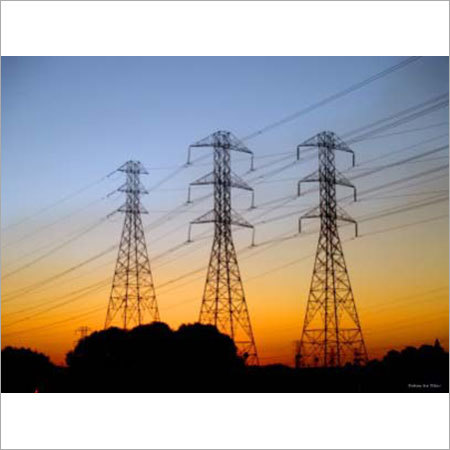
Tell us about your requirement

Price:
Quantity
Select Unit
- 50
- 100
- 200
- 250
- 500
- 1000+
Additional detail
Mobile number
Email

More Products in Solar High Mast Category
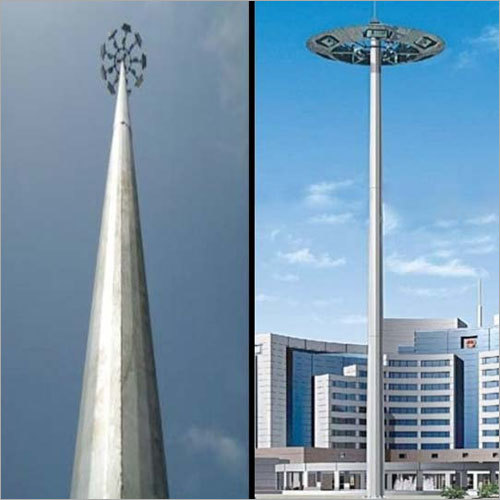
Solar High Mast Pole
Minimum Order Quantity : 10 Units
Thickness : 3 mm to 10 mm
Material : Mild Steel/High Tensile Steel
Design : Modular, Hinged/SelfSupporting
Height : 9 m to 30 m
Galvanization Standard : Hot Dip Galvanized as per IS: 2629/BS: EN ISO 1461
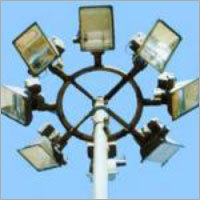
Highmast Lighting Project
Minimum Order Quantity : 1 Piece
Thickness : 3 mm to 10 mm
Material : High Tensile Steel
Design : Wind Resistant Structural Design
Height : 12 m to 30 m
Galvanization Standard : Hot Dip Galvanized as per IS: 2629 / IS: 4759
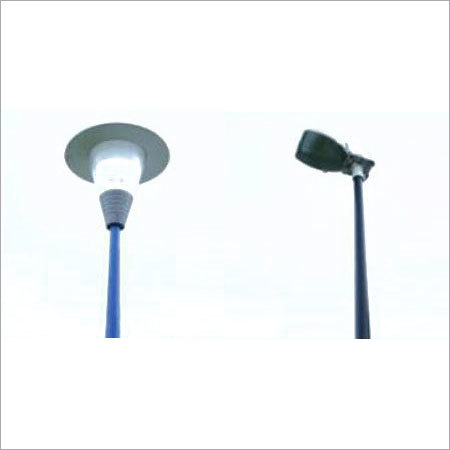
Frp Grp Poles
Minimum Order Quantity : 10 Units
Thickness : 4 mm to 16 mm
Material : Fiber Reinforced Plastic / Glass Reinforced Plastic
Design : Hollow, singlepiece, tapered/external ribbed
Height : 3 Mtr 15 Mtr
Galvanization Standard : Not Applicable (FRP/GRP material)

GST : 04AESPA9925J1Z6

Plot No. 25, Industrial Area, Phase - 1, Chandigarh - 160002, India
Phone :07971189137
 Send Inquiry
 Send Inquiry
 Send SMS
JINDAL POWER CORPORATION
All Rights Reserved.(Terms of Use)
Developed and Managed by Infocom Network Private Limited.
Developed and Managed by Infocom Network Private Limited.

